01
Real-world skills
Measuring, marking, cutting, assembling, finishing. Kids learn techniques that work outside the classroom — and keep working long after the project is done.
Hands-on woodworking classes for kids ages 5–15. Real tools, real projects, and the kind of pride that only comes from carrying something you made yourself out the door.
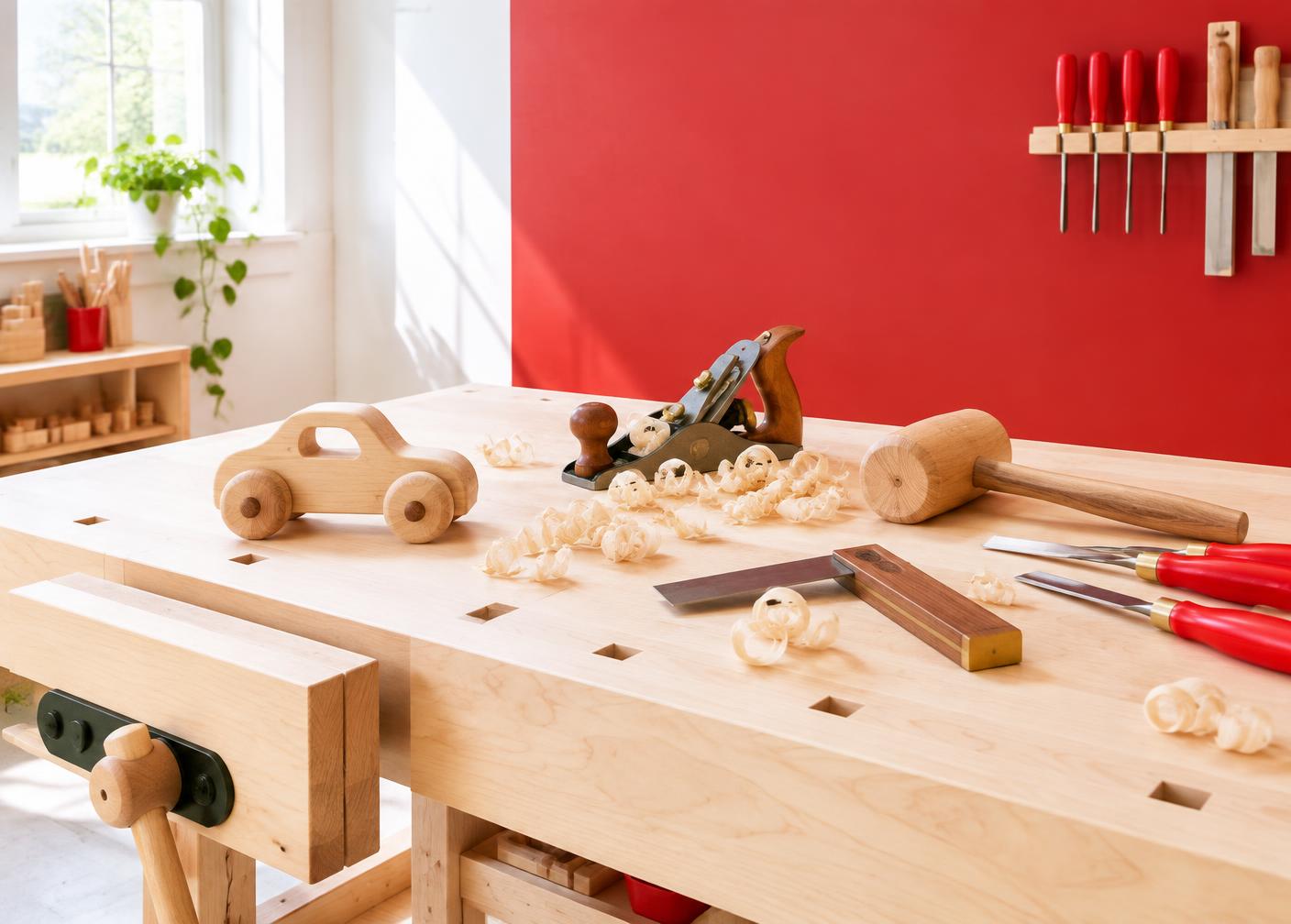
Ends with a project your child made, sanded, and took home.
The workshop sequence: measure, mark, cut, shape, assemble, sand, join, finish, take it home.
Screens teach information. A workbench teaches judgement, patience and the habit of finishing what you start. That is the whole idea behind our classes.
Measuring, marking, cutting, assembling, finishing. Kids learn techniques that work outside the classroom — and keep working long after the project is done.
Nothing builds belief like proof. Every class ends with something your child made, held, and took home — the kind of confidence that transfers to everything else.
Design choices, real materials, honest problem-solving. When a joint sits proud or a cut wanders, kids learn to think their way out instead of starting over.
Kids don’t remember the lecture. They remember the thing they built — and the fact that they figured it out.
Every program is grouped by age so the tools, projects and instruction sit at the right level for each child. Here is how the groups are structured and what kids work on in each.
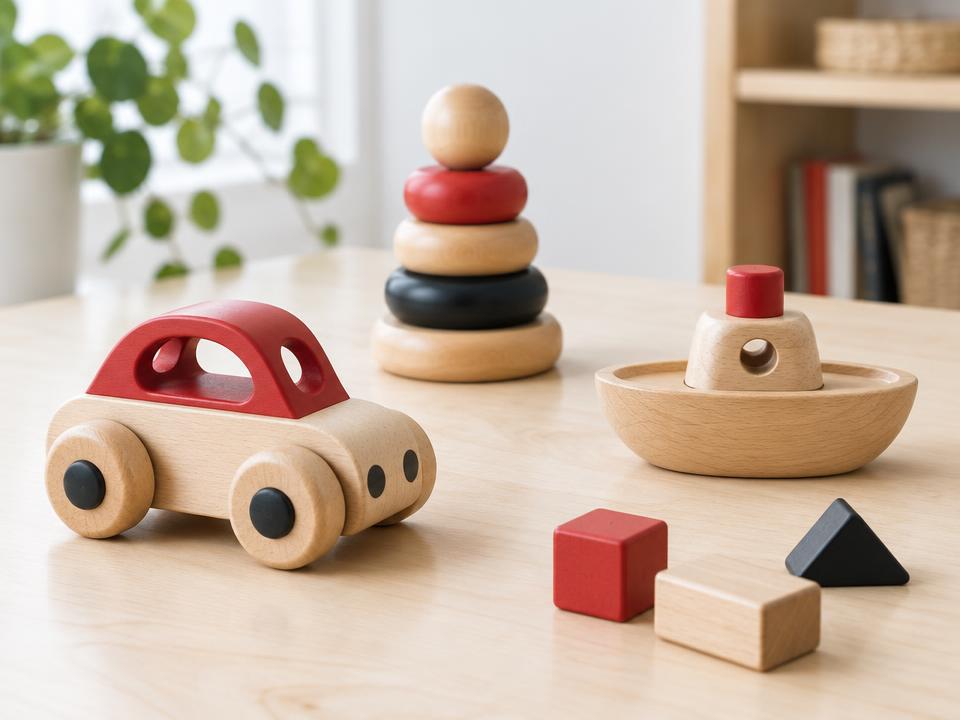 Ages 5–7
A playful first taste of the workshop. Little hands learn that tools have a right way to be used — and that making something feels fantastic.
Typical projects
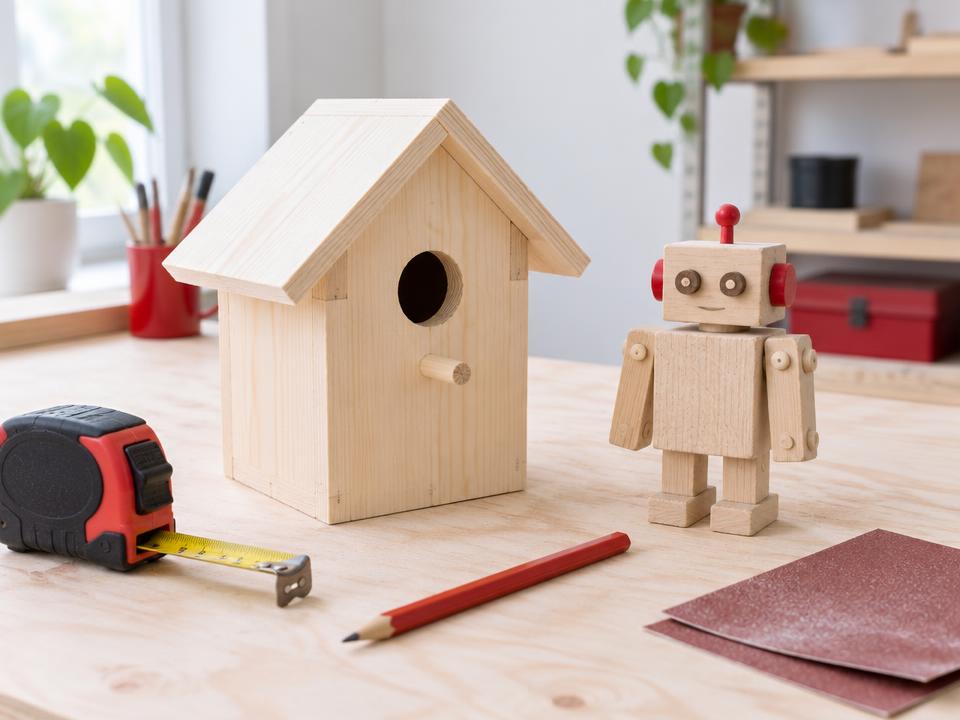 Ages 8–11
Where projects get real. Young makers measure before they cut, follow a simple plan, and discover that accuracy is a skill they can grow.
Typical projects
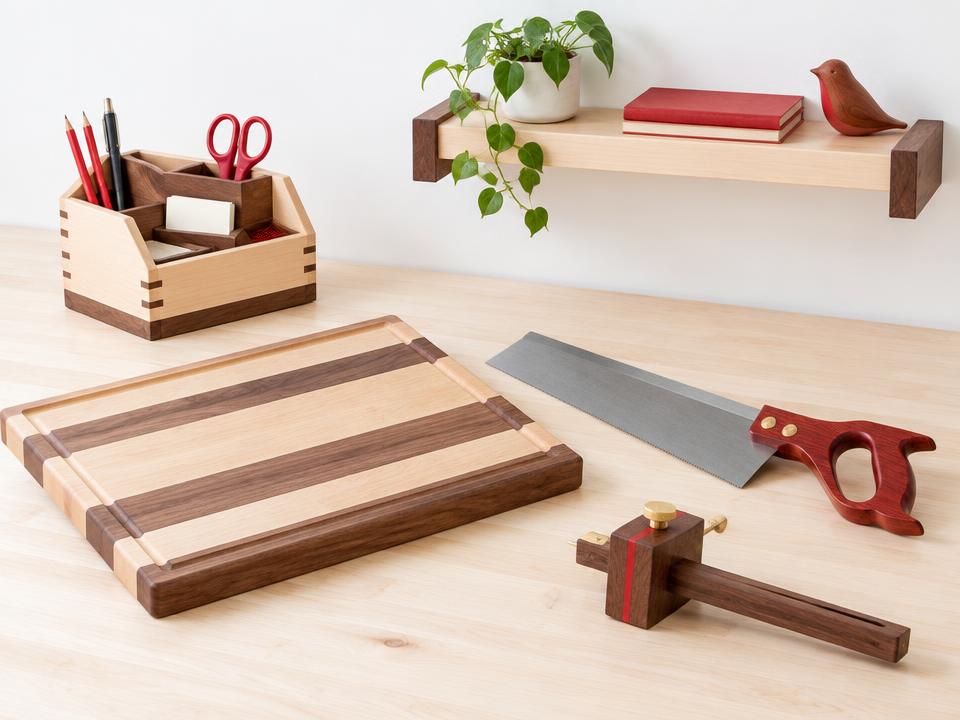 Ages 12–15
Serious builds, serious craft. Teens plan the project, choose the joinery, and run the work from a rough board to a finished piece.
Typical projects
These are the age-appropriate program groupings we teach. Current schedules, availability and pricing aren’t listed on this page — we share them directly with families when you reach out.
Book a ClassWoodworking is only safe when it is taught deliberately. Safety isn't a poster on the wall here — it's the structure of every class, from the first demonstration to the last tool returned.
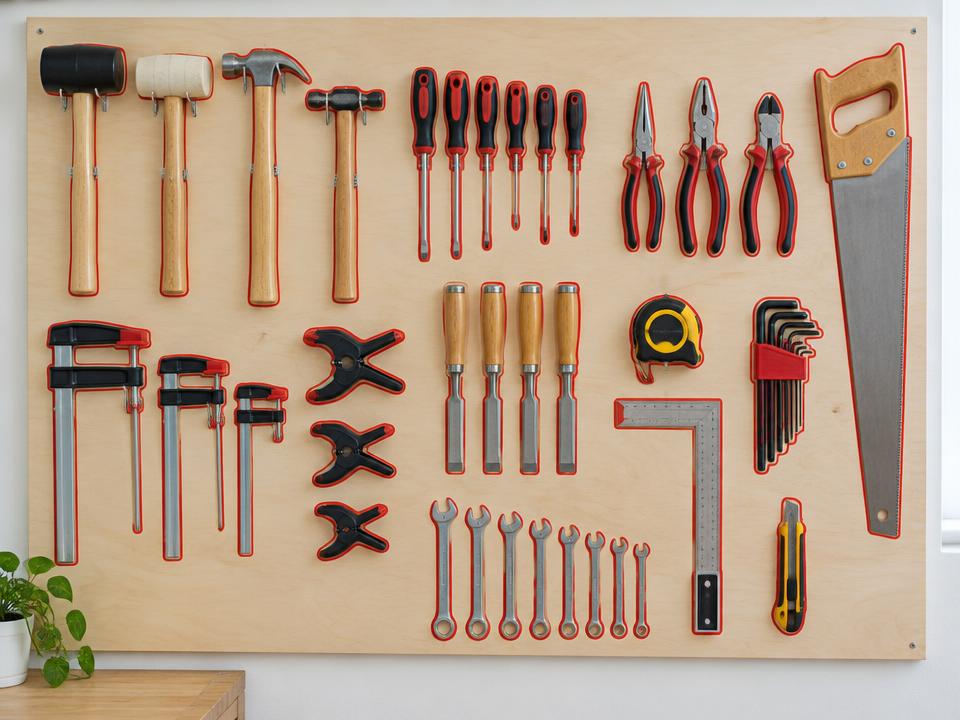
Every tool is introduced at the level the group can handle, and nobody is pushed past what they are ready for. Younger builders work with the tools built for their hands.
Each tool gets a demonstration, a stated rule, and a check before anyone touches it. The expectations are the same every class, so kids always know what is expected.
Instructors teach at the bench, not from across the room — setting up the work, showing the stance, and staying close while a cut or a joint is being made.
Safety glasses whenever an activity calls for them, hair tied back, closed-toe shoes, clamps before cuts, tools returned to their spot, and a clean bench at the end of every session.
Have a question about your child specifically — their age, their experience, or something they are working on? Ask before you book. We are glad to walk you through how the class runs and what to expect at the bench.
Ask a questionThe birdhouse gets played with and eventually lost. The habits underneath it don't.
Reading a tape, marking a line, and learning why the difference between close and exact matters.
Working out the order of operations before the first cut, so the project comes together instead of apart.
A wandering cut or a stubborn joint becomes a puzzle to work through, not a reason to give up.
Kids set up their own bench, look after their own tools, and finish what they start.
The quiet kind that comes from evidence: this is mine, I made it, I can do the next one.
Sanding past the point of boredom, checking for square, and caring how the back edge looks.
Straight answers about experience, ages, and what kids get out of a class. If something isn’t covered here, the form at the bottom of the page is the fastest way to ask.
Schedules, availability and pricing change by season, so they live in our replies to families rather than on this page.
Tell us who you’re booking for and what they want to make. We’ll come back with current class dates, availability and pricing for their age group.
Talk to us
Questions about ages, safety or what to bring? Reach us directly — we’d rather answer than have you guess.
Pressing send opens your email app with your request written out and ready — you just hit send.